
When you start a business most founders think about getting a logo designed first. It seems like the place to start. A logo is the picture that will represent your company on your website, business cards, social media, packaging and ads.
But here's something many businesses figure out later: a logo by itself doesn't make a brand.
This is where the talk about logo versus brand identity comes in. These two terms are often used like they mean the thing but they don't. Understanding the difference can help you make decisions when building your business.
If you're starting a company or thinking about rebranding, knowing if you need a logo or a full brand identity can shape how customers see your business from the start.
In this guide we'll look at what a logo is. We'll also explore what a brand identity includes, We'll discuss why businesses that want to grow usually need more than just a logo. A logo is important. A brand identity is more. A brand identity helps you build trust with customers. A logo is a part of that.
What Is a Logo in Logo vs Brand Identity?
A company logo is a picture or symbol that people use to know a company. The main reason for having a company logo is so people can identify a company. When people see a company logo they should think of the company away.
Think of a company logo like the signature of a company.
A company logo can look very different depending on how it's designed and what kind of company it is for. There are kinds of company logos, including
- Wordmarks. These are company logos that are just words using a special kind of writing
- Letter marks. These are the first letters of a company name
- Symbol or icon logos. These are pictures that people think of when they think of a company
- Combination logos. These are a mix of words and pictures
- Emblems. These are words inside a shape or badge
A good company logo should be easy to look at, easy to make bigger or smaller and easy to recognize. It should look good on a website on packages or on media pictures.
Even a great company logo cannot tell people everything about a company. It does not tell people what the company is, like what the company believes in or how the company should make people feel when they see it on websites or places.
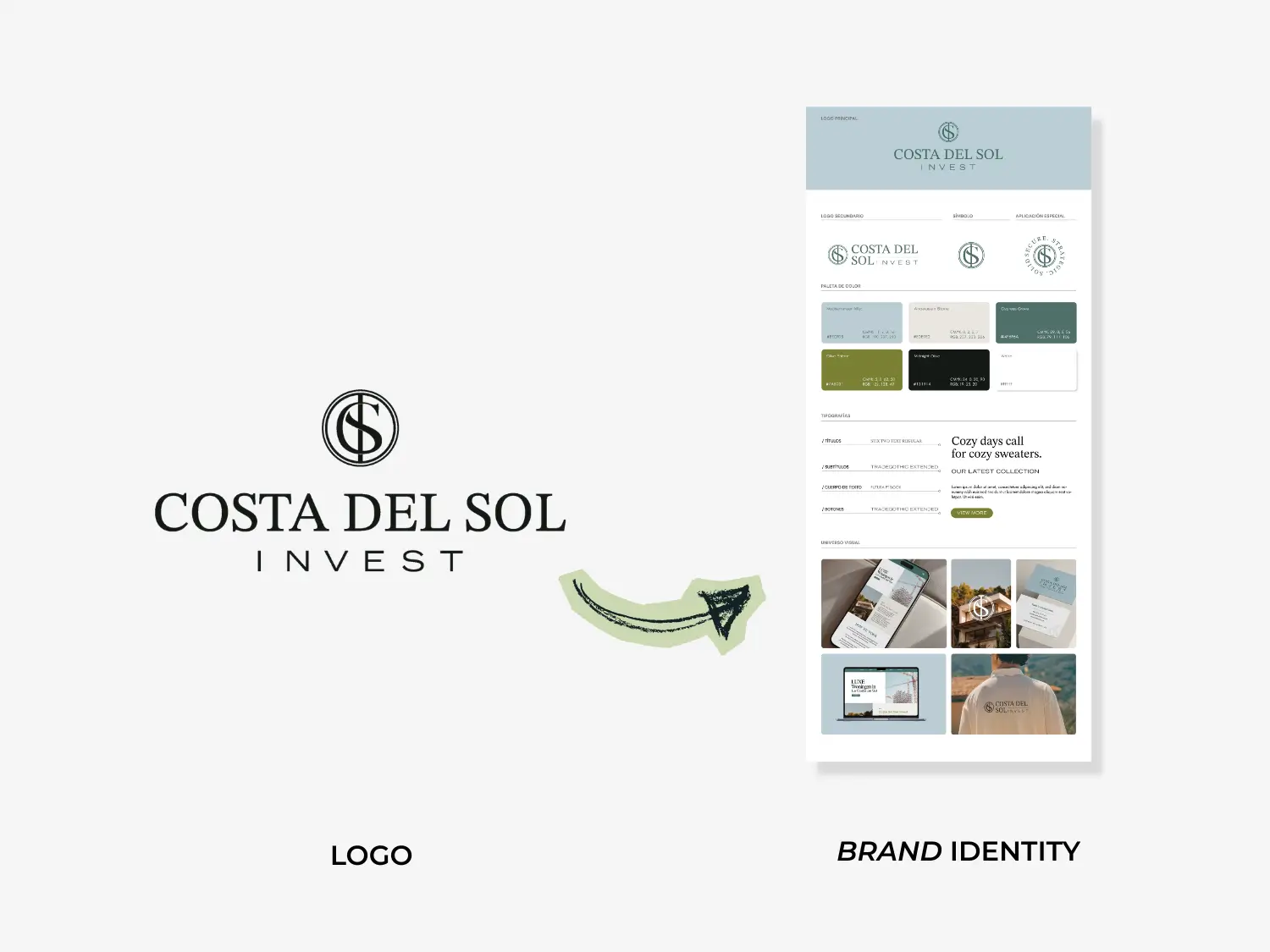
That is where the company brand identity comes in. The company brand identity is what people think of when they think of a company logo and the company.
What Does a Brand Identity Include Beyond a Logo?
While a logo shows what a brand looks like, brand identity is everything that makes up the brand visually and emotionally.
It's all the design elements, style choices and guidelines that make sure the brand looks the same everywhere.
A strong brand identity helps people know your business away. Even before they see the logo.
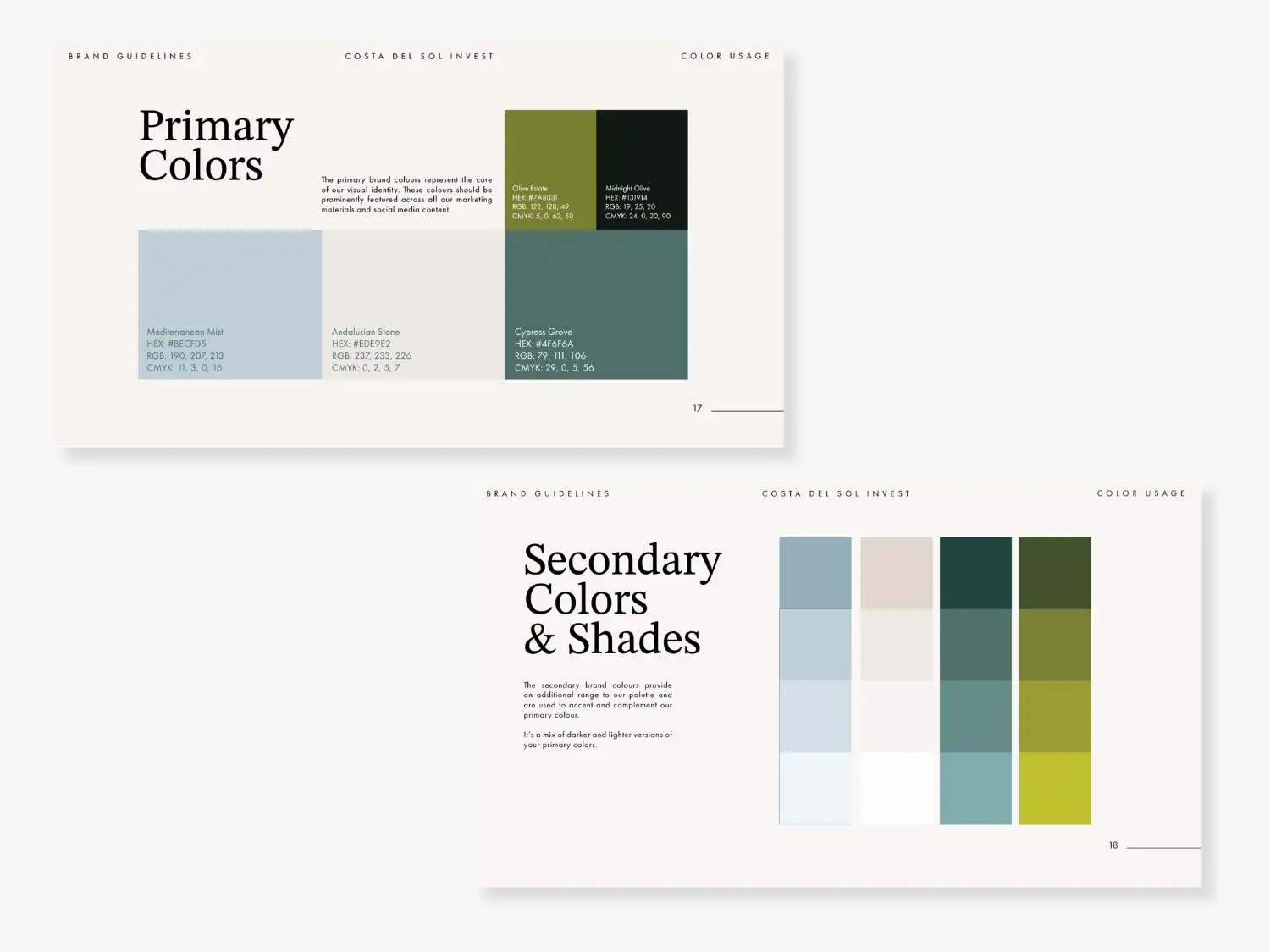
Color Palette
Colors are very important in making people feel something about a brand.
For example:
- Neutral tones usually feel simple and not flashy
- Bright colors give a lot of energy and show creativity
- Dark colors can make a brand look rich or very professional
A brand identity decides on colors that are used everywhere like on websites, social media and papers.
Typography
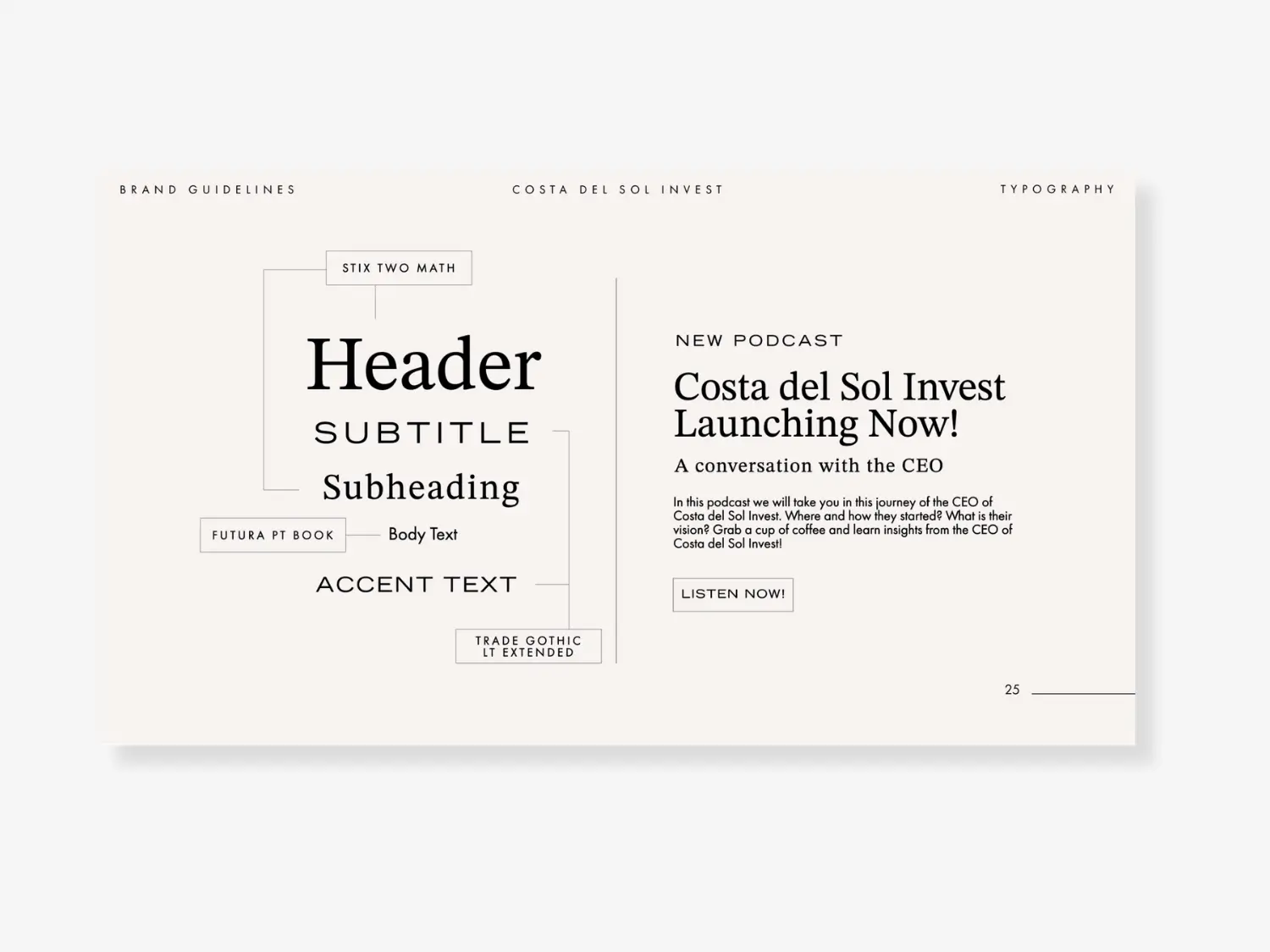
The way words look on paper or screen is also very important for a brand.
Different types of fonts make people feel things. A simple font may feel new and easy to read while a traditional font may make a brand look dependable.
A brand identity usually includes:
- A main font for headlines
- A second font, for smaller texts
- Sometimes extra fonts to make things stand out
Using the same typography makes people remember the brand more over time.
Photography and Visual Style
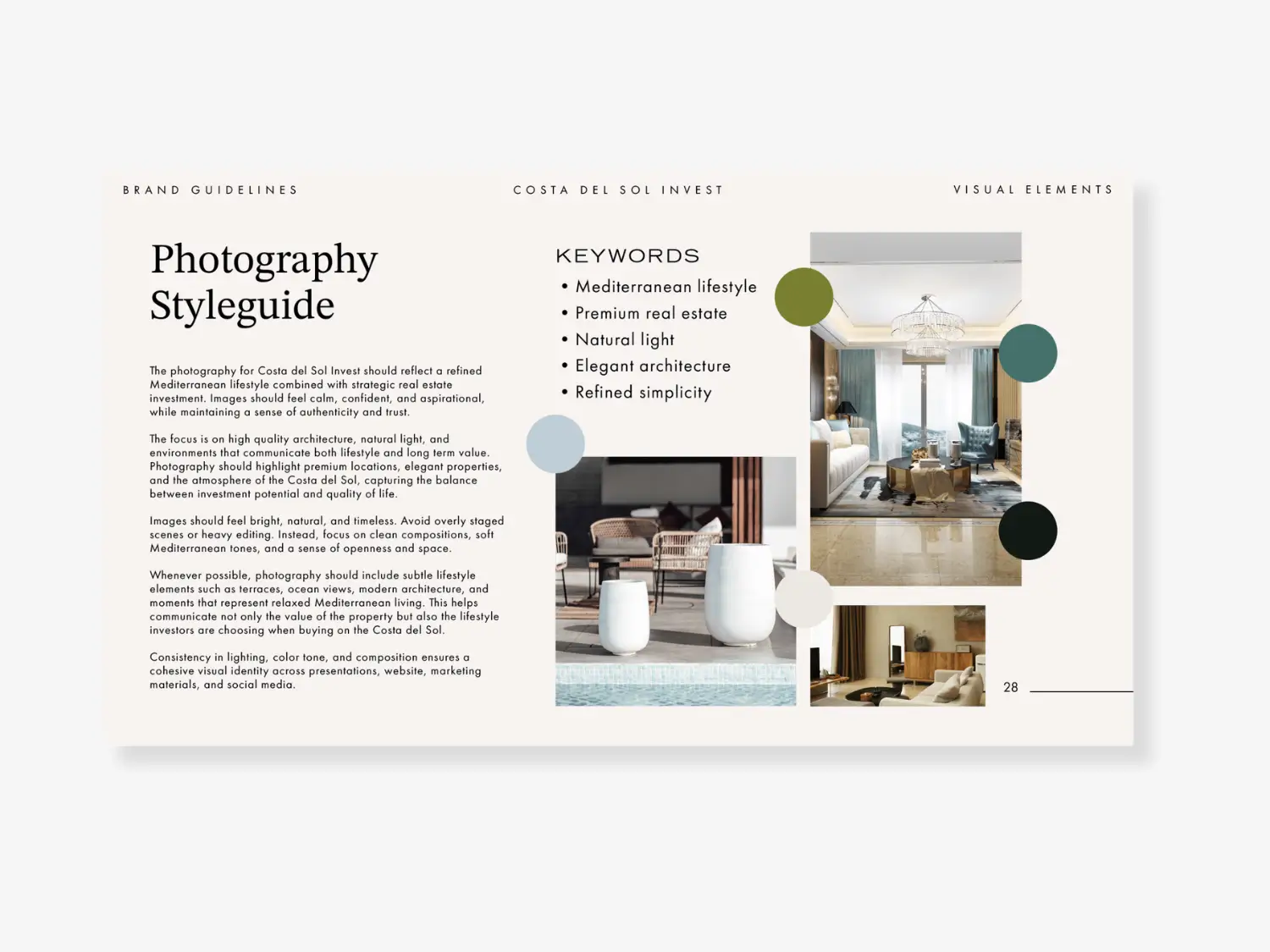
Many companies do not pay attention to this. The way you take pictures can really change how people think about your brand.
Some companies like to use bright pictures that show people living their lives.
Other companies like to use pictures or drawings that look like they are from a magazine.
If you have an idea of what your pictures should look like, then all of your pictures will tell the same story about your brand.
Tone of Voice
Your brand is not about how it looks; it is also about how it talks to people.
Some companies like to talk to people in a way like they are having a conversation.
Other companies like to sound more important and professional.
If you decide how your brand will talk to people, then everything will sound the same from what you write on your website to what you post in the media.
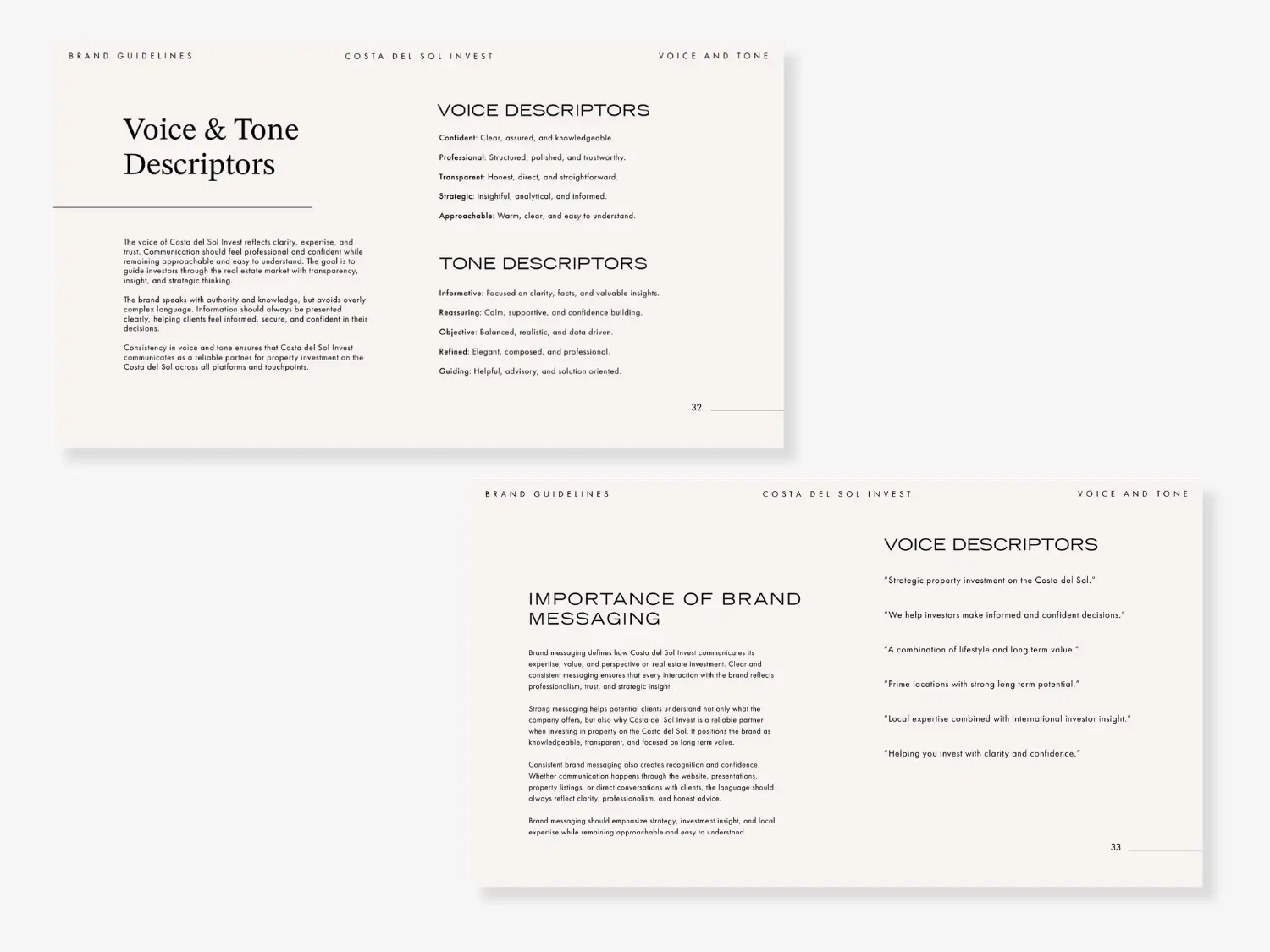
Brand Guidelines
All of these elements are usually written down in a brand guidelines document.
This document explains how to use your logo, colors, typography and visual elements across different platforms so the brand always looks consistent as the business grows. The guidelines also define rules for spacing, logo placement, font usage and visual style so everything stays uniform no matter who is creating the design.
If you want to see what a professional brand guidelines document looks like, you can view this brand guideline example.
Having these rules documented helps ensure that your brand maintains a clear and recognizable identity across websites, marketing materials, packaging and social media.
Logo vs Brand Identity: Key Differences Every Business Should Know
The difference between a logo and brand identity becomes clear when you compare what they do.
A logo is one design element. On the other hand brand identity is a complete system.
Think of building a house. The logo is, like the door. It's important and you can easily recognize it. Brand identity is the whole house: the design, colors, layout and how it looks inside.
Without this system your messages can get mixed up.
Companies that only use a logo often face problems:
- Their marketing stuff looks different every time they make it
- Their social media posts don't look connected
- Their websites don't match their printed materials
- Their brand doesn't have a personality
A good brand identity helps prevent these problems by creating a consistent visual style.
Why Businesses Need More Than Just a Logo
Many people who start their business usually begin with just a logo because it seems like an easy fix. As the business gets bigger, they start to see the problems with that.
A logo by itself is not enough to make sure your business looks the same on all the places people see it.
Nowadays people interact with businesses in a lot of ways, such as
- Websites
- Media
- Packaging
- Digital advertising
- Printed materials
- Email marketing
If you do not have a clear idea of what your business should look like then all these places can look different and that is not good.
It is important to have everything look the same because that helps people trust your business. When people see a business that looks nice and is recognizable everywhere they think that business is more professional and someone they can rely on.
This is why big companies spend a lot of money on making sure their business looks the same
For businesses, making a plan for what your business should look like from the beginning can save you time and money in the long run.If you are starting a company, spending money on professional branding services can help you make sure your business looks good and is recognizable, from the very start.
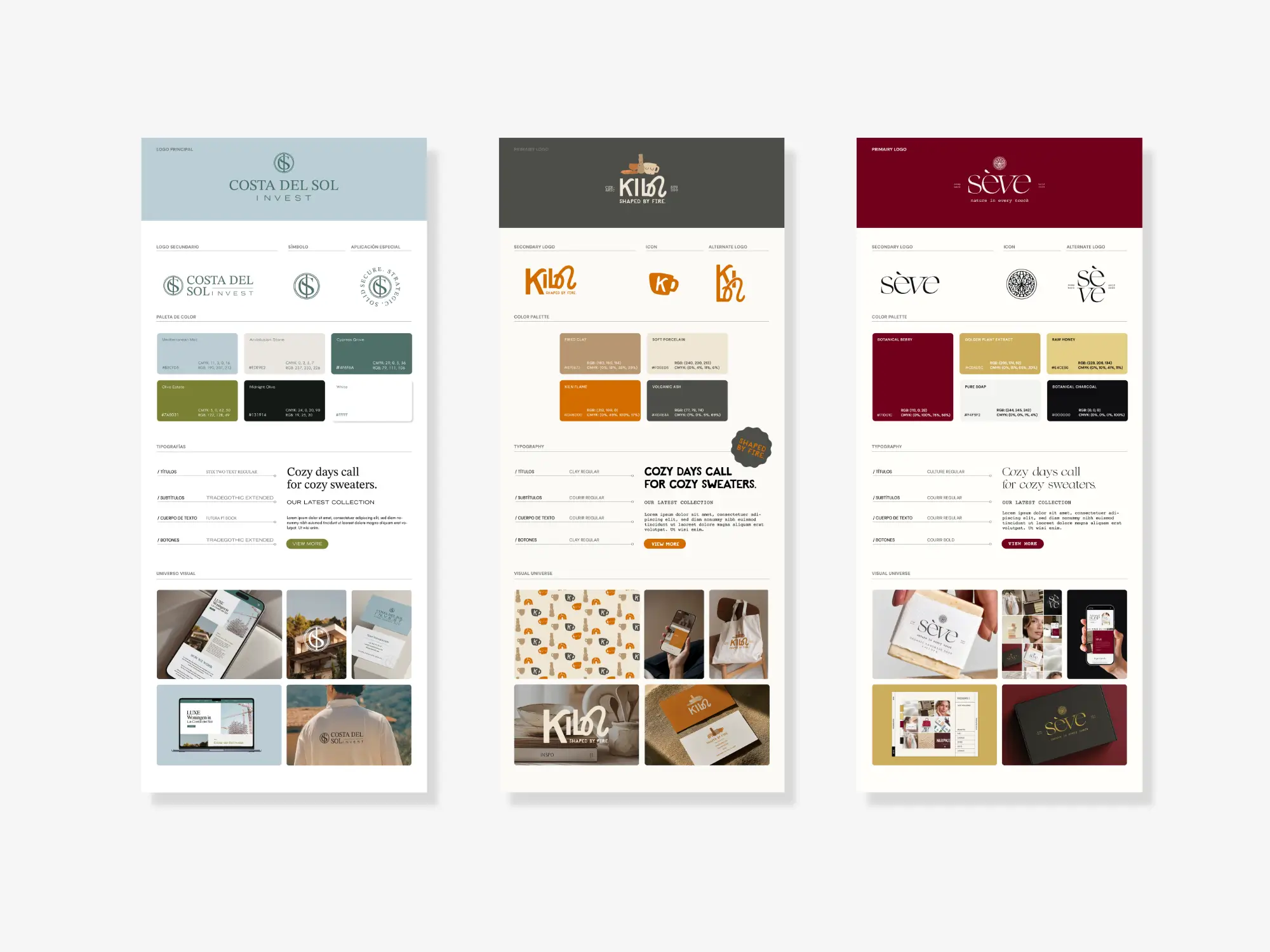
Examples of Brand Identity Elements
A brand identity is what makes a company look special and easy to recognize.
It has parts that all work together to make it look nice and consistent.
Below are some things that designers make when they are working on a brand.
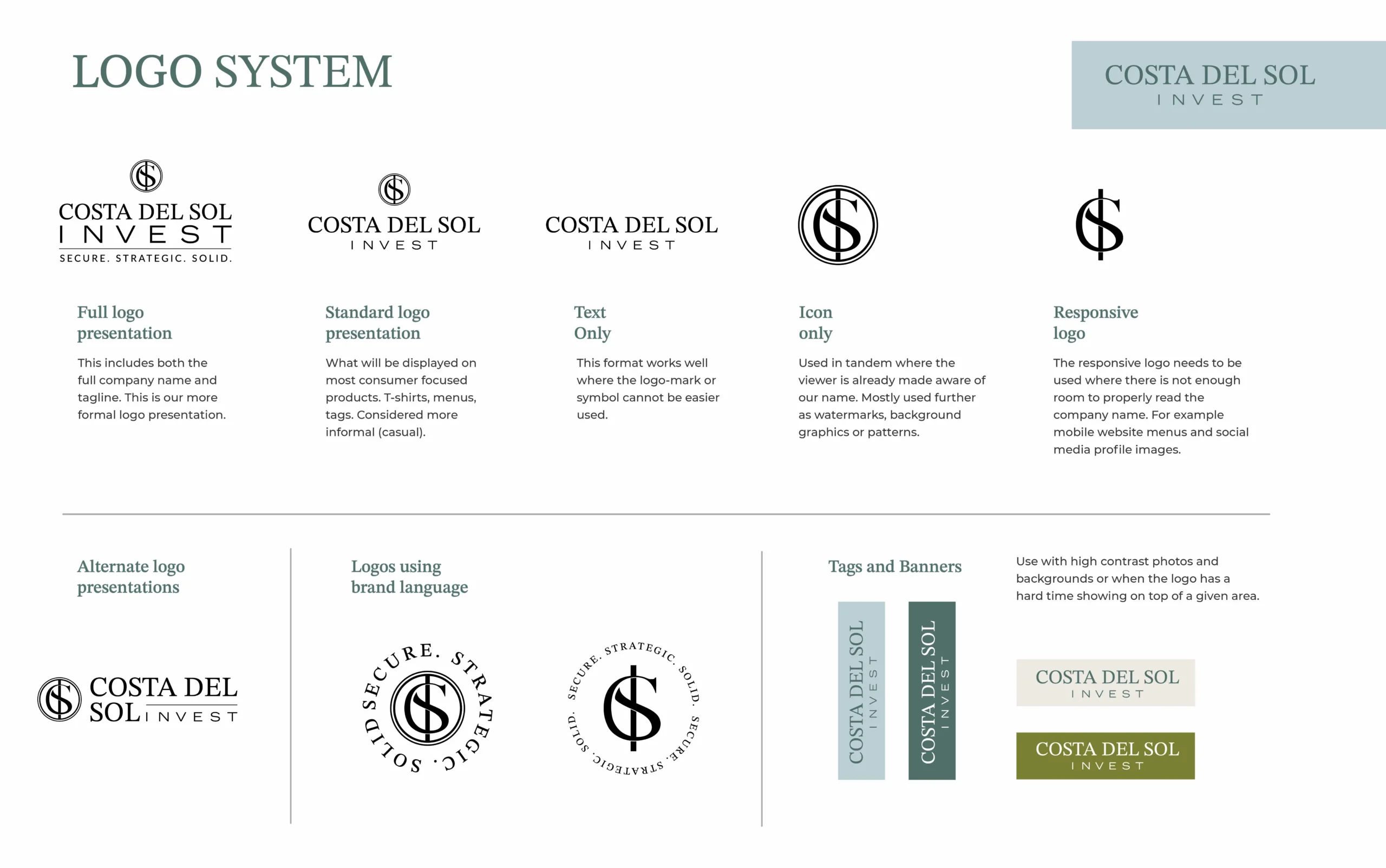
Primary and Secondary Logos
Most companies do not just have one logo they have a few versions that they use in different places.
These may include:
- Logo
- Secondary logo
- Icon or symbol mark
- Social media version
This way the company can look the same on big signs and on tiny social media pictures.
Color System
Most companies have a main color that they use all the time.
This includes:
- Primary brand colors that everyone knows
- Secondary supporting colors that help the main colors look good
- Tones that are not too bright or too dark
Using the same colors all the time makes everything look nice and consistent.
Typography Pairings
The way a company chooses its fonts is important because it helps people read things easily and understand what is important.
For example:
- A font for big titles that everyone should see
- A clean font for the writing that people will read
- Accent fonts, for special things that the company wants to highlight
If a company always uses the same fonts then people will start to recognize the brand easily.
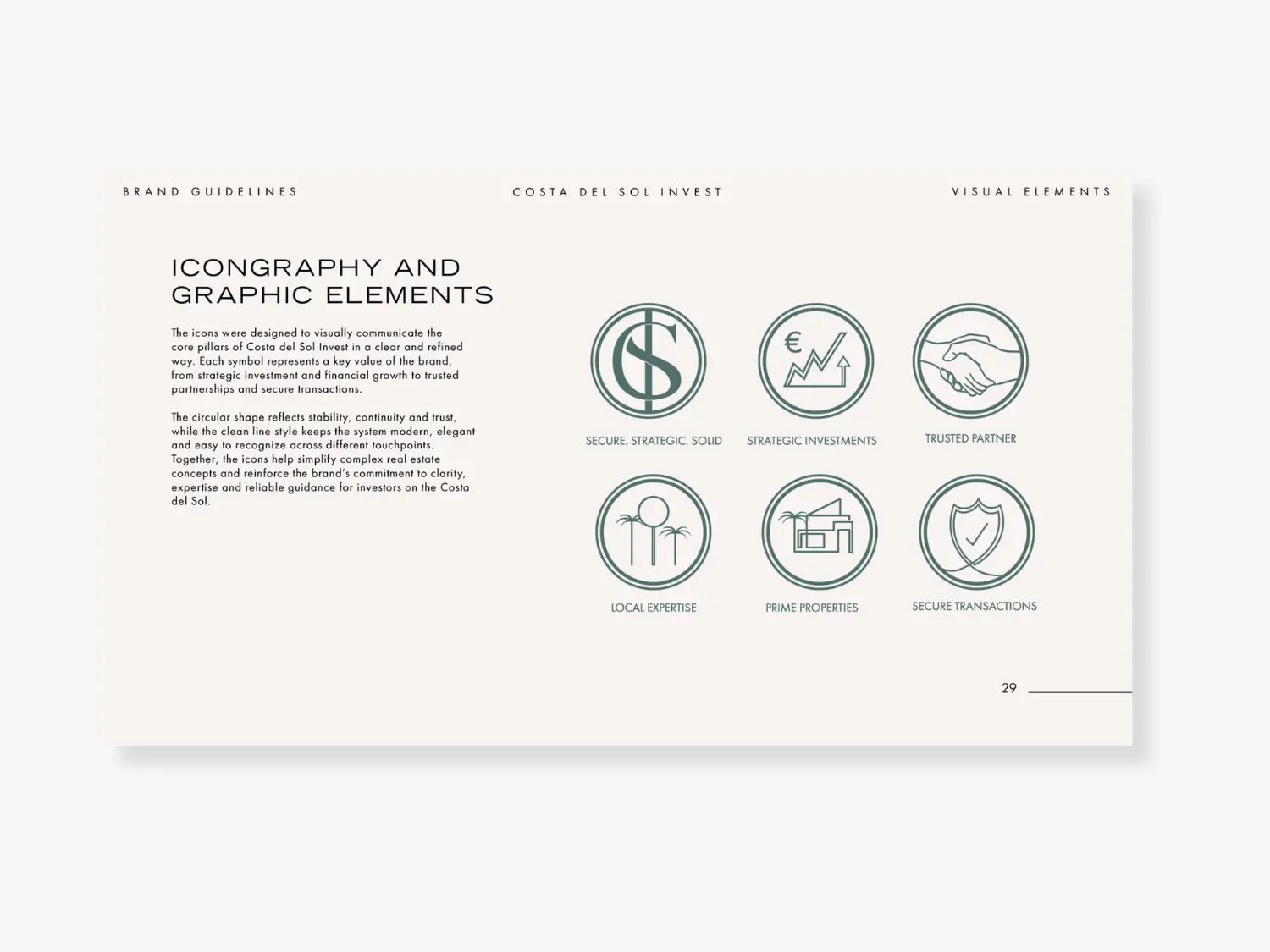
Graphic Elements
Some brands use custom elements like patterns, icons and illustrations. They also use shapes or frames.
These graphic elements give the brand personality. Make the visual language more interesting than just the logo.
Photography Direction
Brands have rules for taking pictures to make sure they all look the same.
These rules say what kind of lighting to use, how to set up the picture, what kind of editing to do and what to take pictures of.
When brands follow these rules their pictures start to look like they're from the same brand.
Social Media Templates
Lots of brands make templates for media that match their brand.
These templates help make all the posts look the same on Instagram, LinkedIn and Facebook.
If you want to look good you can get help from people who make content and design visuals.
How to Know When It’s Time for a Brand Identity
Not every business starts with a branding system. There are clear signs when it is time to move beyond just a logo.
You might need a brand identity if:
- Your marketing materials look inconsistent
- Your brand feels visually outdated
- Your website does not match your media
- Customers do not easily recognize your brand
- You are launching products or services
Rebranding can also be an opportunity to refine your messaging and reposition your business in the market. This is because brand identity is very important for the brand. The brand identity is what makes the brand recognizable.
For growing companies investing in a brand identity often leads to stronger brand recognition and better customer trust in the brand. Brand recognition is important for the brand because it helps the brand to stand out.
How to Build a Strong Brand Identity from the Start
When you start a brand today think of design as a plan not just one creative job.
Think about the experience you want customers to have with your business, not just a logo.
Ask yourself some questions:
- How do you want your brand to look?
- What kind of personality do you want it to show?
- How will it look on websites and apps?
Figuring out these things helps designers create a brand identity that shows what you stand for and attracts the people.
For businesses and companies that want to grow, this approach can really make a difference in how your brand develops over time.
Conclusion
Understanding logo vs brand identity can change how businesses approach branding.
A logo is an essential part of your brand, but it’s only the beginning. Without a broader identity system, it becomes difficult to maintain consistency across the many places customers interact with your business.
A thoughtful brand identity brings everything together, visuals, messaging, and personality, creating a cohesive experience that people remember.
For businesses starting from scratch or considering a refresh, investing in a complete brand identity can help establish a stronger presence and build lasting recognition.

Logo vs Brand Identity: Frequently Asked Questions
What is the difference between a logo and brand identity?
A logo is a visual symbol that identifies a business, while brand identity includes all the design elements and communication styles that define how a brand looks and feels across platforms.
Can a business succeed with just a logo?
A business can start with just a logo (in Vivid Creations we don't do such service as we believe in doing it right from the start), but long-term success usually requires a full brand identity to maintain visual consistency and recognition.
Why is brand identity important for new businesses?
Brand identity helps businesses appear professional, build trust with customers, and stand out in competitive markets.
Is a logo part of brand identity?
Yes, a logo is one of the most important elements of a brand identity. However, brand identity goes beyond just a logo. It's colors, type fonts, elements, brand voice, tone, etc.
When should a business consider rebranding?
Businesses often consider rebranding when they change direction, expand services, or realize their existing branding no longer reflects their current vision.
Ready to Build a Strong Brand Identity for Your Business?
If you’re starting a business or planning a rebrand, investing in professional branding services can help you create a strong, consistent brand that stands out and connects with your audience. Thoughtful design and strategic content make your brand more memorable and trustworthy.