In the vibrant world of design, color is more than a visual treat. It is a powerful communicator of emotion, meaning, and intention. Color psychology plays a crucial role in how people experience a brand, website, or visual identity.
In this blog post, we take a deep dive into color psychology in design. You’ll discover how colors influence emotions, shape perception, and help transform your designs into compelling visual stories that truly connect with your audience.
The Psychology of Colors

The Language of Colors
Every color tells a story. Color psychology is the study of how different hues influence human emotion and behavior. Understanding these basics allows designers to make intentional choices instead of relying purely on aesthetics.
Red often represents passion, urgency, love, or danger.
Blue is associated with calmness, trust, safety, and reliability.
Yellow evokes happiness, energy, optimism, and attention.
Green symbolizes growth, vitality, balance, and nature.
Black is often linked to luxury, minimalism, exclusivity, and sophistication.
When used strategically, colors don’t just look good. They communicate.
Color Psychology in Branding
Color plays a major role in brand recognition and trust. Many of the world’s most recognizable brands use color psychology intentionally to reinforce their message.
For example, banks, hospitals, finance institutions, and tech companies often rely on blue tones. Blue transmits calmness, trust, safety, and professionalism, making it ideal for industries where credibility is essential.
A well-known example is McDonald's. Their golden arches are kid-friendly, fun, and instantly recognizable worldwide. Bright yellow attracts attention and is hard to ignore. It’s associated with joy, happiness, and energy. When combined with red, a color linked to urgency and appetite, it creates a powerful visual trigger that many fast-food brands use.
Choosing the right color palette strengthens brand identity and helps you attract the right audience while reinforcing your brand message.
Creating Emotional Connections Through Color
Colors influence how people feel before they even read a word. This makes color psychology a powerful tool for creating emotional connections.
Red can signal urgency, passion, love, or action.
Green evokes growth, health, balance, and sustainability.
Yellow adds playfulness, optimism, and warmth.
Black communicates elegance, exclusivity, and authority.
Color combinations matter just as much as individual hues. Many fast-food brands combine red and yellow to stimulate appetite and energy. Luxury brands often use black with neutral tones to convey exclusivity and refinement.
Understanding emotional responses helps you design brands that feel aligned instead of random.
Color Harmony in Design
Color harmony is about creating balance. A harmonious color palette feels intentional, cohesive, and visually pleasing.
There are several common approaches to color harmony:
• Complementary color schemes use opposite colors on the color wheel
• Analogous schemes use colors that sit next to each other
• Monochromatic schemes rely on variations of a single hue
Tools like Adobe Color are excellent for experimenting with color harmony and exploring the color wheel. You can easily test combinations and build balanced palettes.
Adobe has also introduced advanced tools through Adobe Color, Adobe Firefly, and Adobe Illustrator. You can upload an SVG file and instantly generate alternative color palettes, making experimentation faster and more intuitive.
Color Trends in Design
Color trends evolve constantly. Staying informed helps designers remain relevant while still creating timeless brands.
Each year, Pantone releases the Color of the Year, influencing branding, fashion, interior design, and digital design worldwide. Following trends can inspire fresh ideas, but they should always be applied thoughtfully.
The key is balance. Use trend colors as accents or supporting tones, while anchoring your brand in a palette that remains consistent and recognizable over time.
Practical Color Psychology Tips for Designers (or DIY-ers)
Before choosing brand colors, start with mood boards. Your client’s project brief often includes words that describe the desired customer experience, such as calm, energetic, natural, bold, or minimal.
Use those words as a starting point. Collect stock photos that visually represent those emotions. Platforms like Canva Pro are excellent for building visual mood boards quickly.
Create multiple mood boards:
• One with more saturated, vibrant colors
• One with softer, desaturated tones
• One that leans minimal or neutral
This helps both you and your client visually feel what works best before committing to a final palette.
Share Multiple Design Options Within a Creative Community
Showing two or three design options to other designers can dramatically improve your work. Online design communities and Facebook groups are great spaces for constructive feedback.
Sharing your designs allows you to gain fresh perspectives, refine your approach, and grow faster as a designer. Feedback is not criticism. It’s a tool for expansion.
Finalize the Brand in a Client Presentation
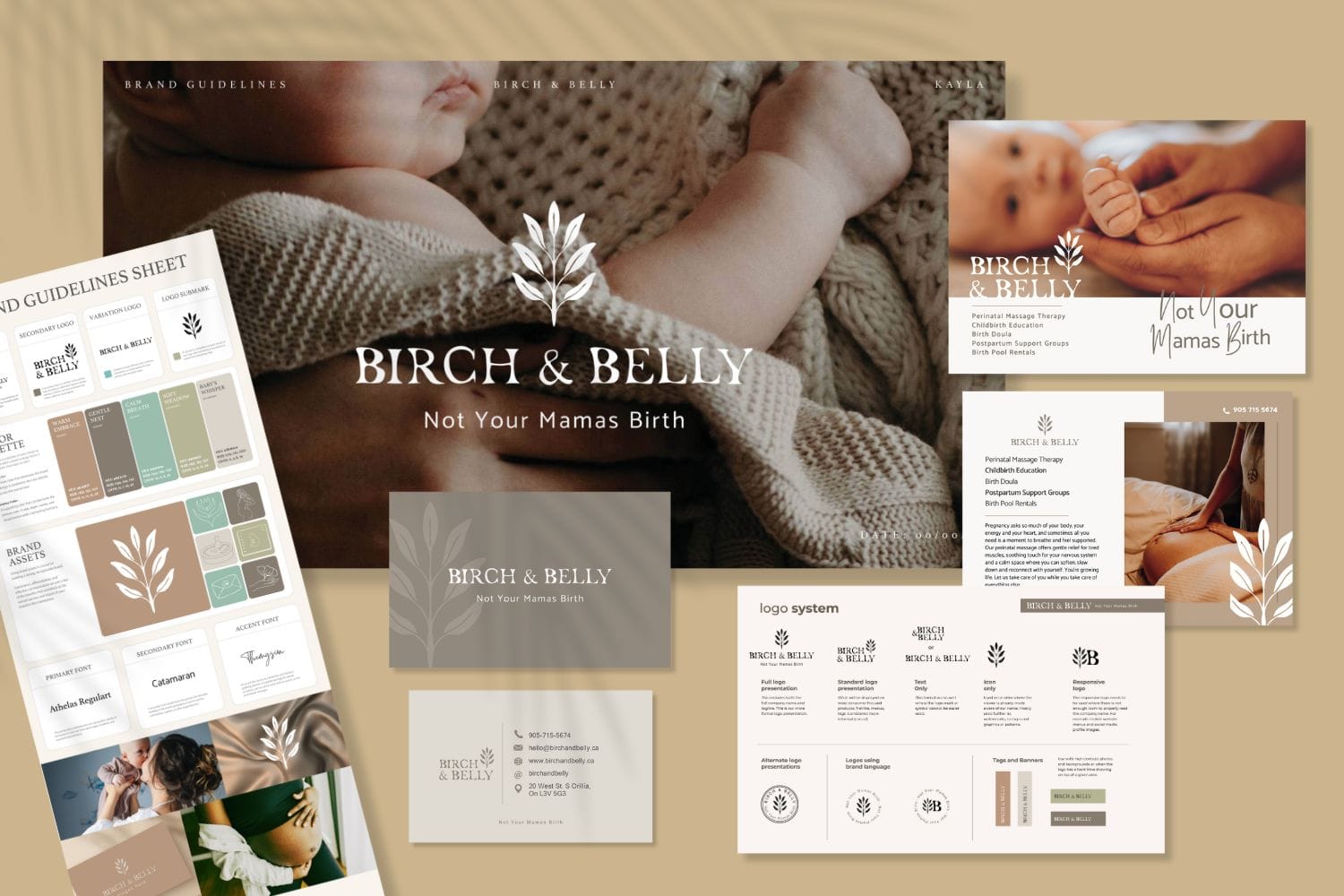
Everything comes together in the final presentation. This can be a simple brand kit or a detailed brand identity presentation.
Once the client approves the direction, you can move forward with creating and explaining the brand guidelines. These guidelines ensure consistency across websites, social media, marketing materials, and future designs. Read here another blog post on why you need a brand guidelines in your business.
A clear brand presentation transforms your design work into a professional, strategic deliverable.
Color Psychology in Branding and Web Design in Málaga
If you’re building a brand or website in Málaga or anywhere in Spain, understanding color psychology can elevate your visual identity and strengthen your connection with your audience.
Color is not decoration. It’s communication.
When used intentionally, it becomes one of the most powerful tools in branding and design.